
5 Easy Ways for New England Businesses to Combat Winter Electric Rate Hikes

People say there are only two guarantees in life: death and taxes. But if you live in New England, lately it seems expecting electric rate hikes in the winter is the third thing to add to the list.
With New Regulations on the Horizon, the Cold Storage Industry Will Need to Adapt
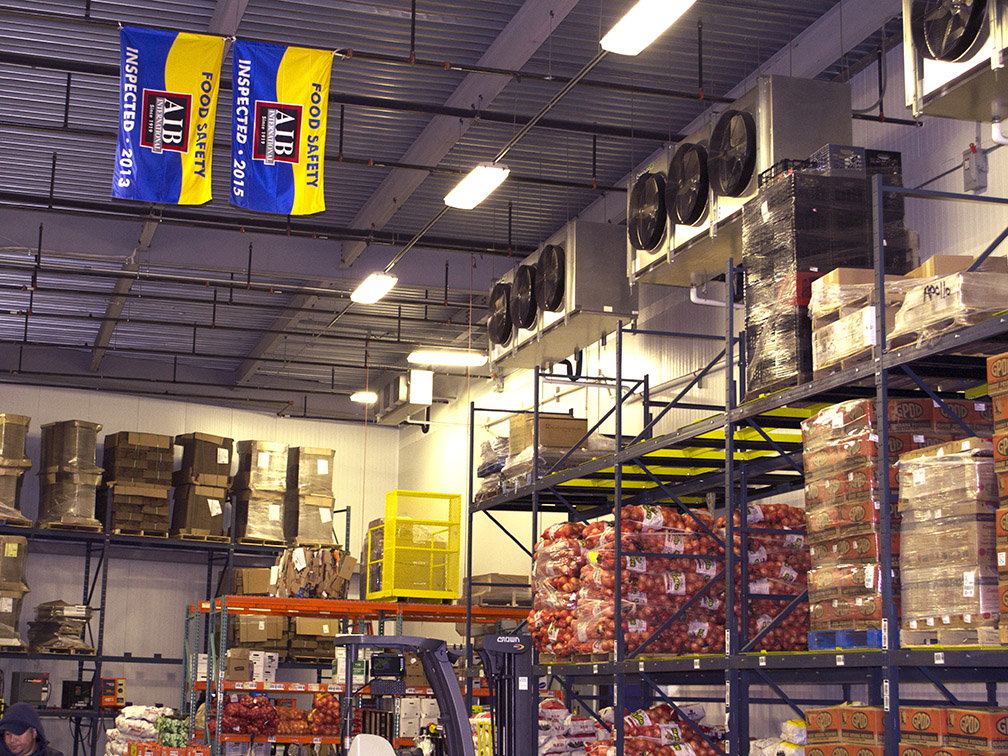
As the EPA and other regulatory bodies discuss hydrofluorocarbons and other refrigerants with “global warming potential,” it will be up to those in the cold storage industry to future-proof their operations and focus on data to maintain profitability.
Walk-in Cooler/Freezer Electric Defrost 101: Efficiency [Part 3]
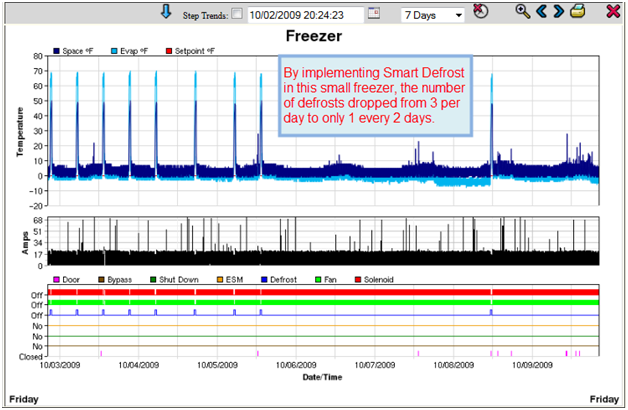
Now that we know what electric defrost is, how it works and how much it costs—it’s time to talk about how to use it more efficiently by implementing several control strategies.
Walk-in Cooler/Freezer Electric Defrost 101: Cost [Part 2]
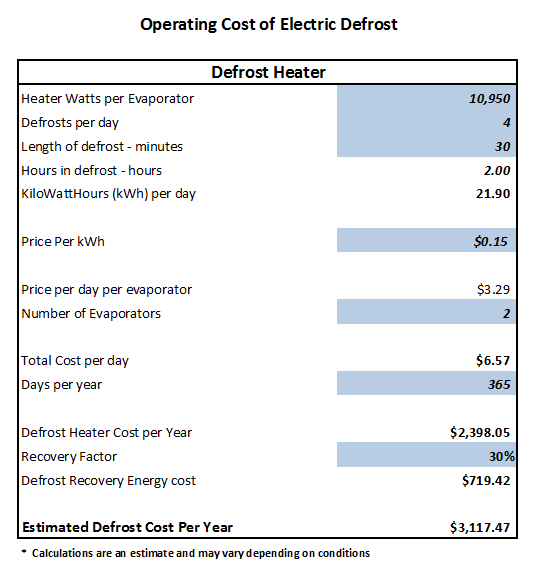
Last week, we wrote about why you need electric defrost for your commercial freezer and how it works. This week, we break down the costs associated with defrost, and the potential costs of ice build up on evaporator coils.
Walk-in Cooler/Freezer Electric Defrost 101 [Part 1]
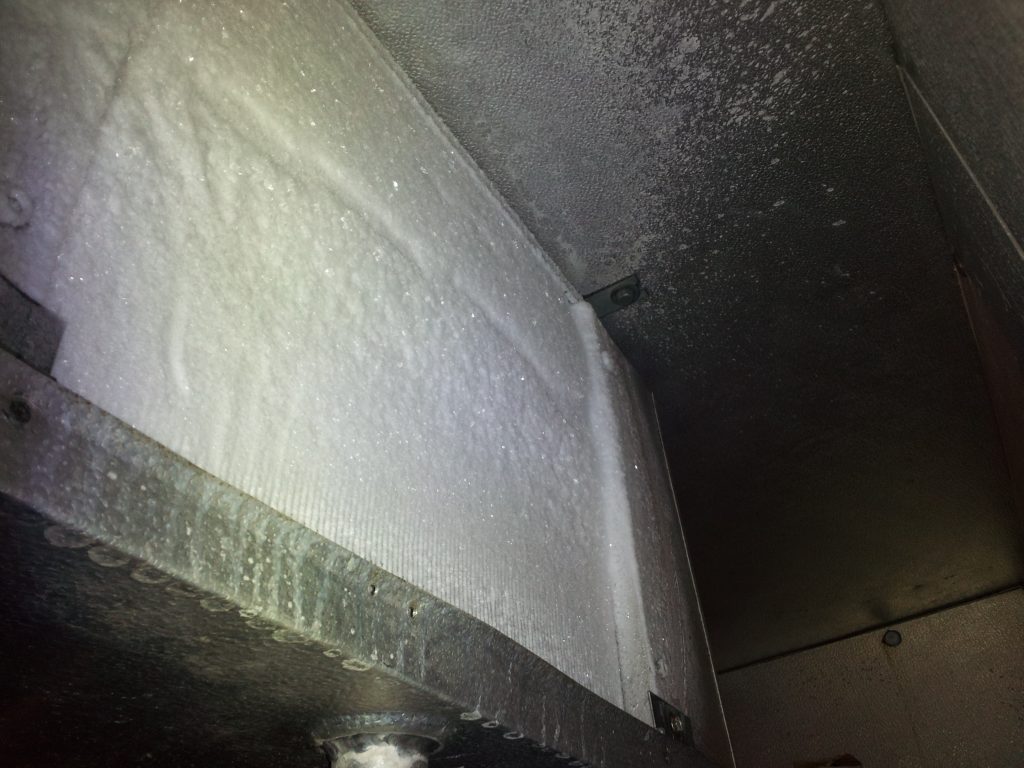
Here’s a basic rundown: there are defrost heater elements located within the coils of your freezer evaporator units. They are controlled by a time clock and turn on during certain times of the day to keep coils free of ice.
The Future of HVACR Energy Efficiency: Monitoring-Based Commissioning
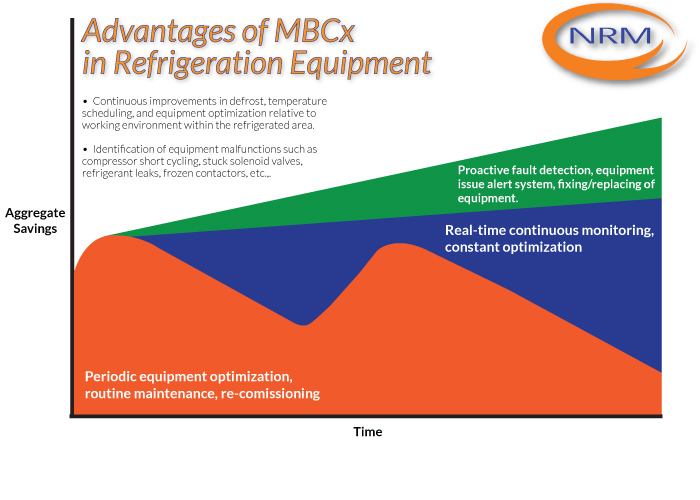
Monitoring-Based Commissioning is a combination of controls, sensors, software and sometimes ‘human review,’ that constantly monitors equipment by way of algorithms and real-time data to detect faults and optimize performance.
Refrigeration Smart Controls and Peak Energy Demand Reduction
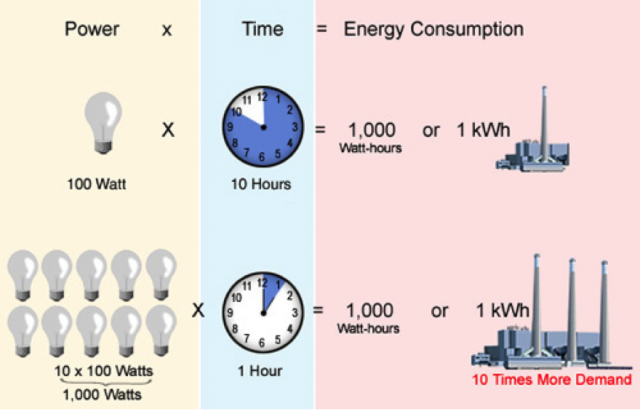
Effective demand-limiting strategies will often increase overall energy usage, but they have the potential to yield a lower electric bill in facilities where demand charges are high.
Reduce Your Overall Refrigeration Energy Consumption or Peak Demand Charges?
Today we dive into an important topic from the first stage of determining an appropriate efficiency solution for your business: will a solution reducing peak energy demand or a solution reducing overall energy consumption be more effective for my business?
Oil-Filled Temperature Sensors for HVACR 101
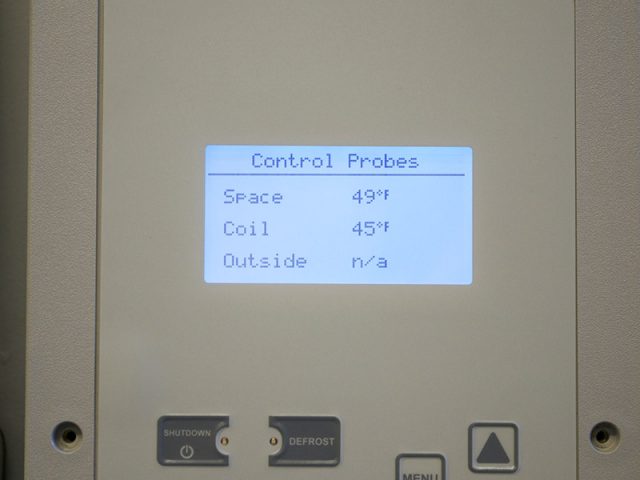
Oil-filled temperature sensors are one of three, general sensor options along with electronic or gas-filled. Oil-filled may be worth considering if, for example, you wanted to track something like the internal temperature of stored product. This blog post introduces oil-filled temperature sensors.
NRM is Proud to Play a Role in the Dunkin’ Brands, National Grid, and Eversource Energy Management Program
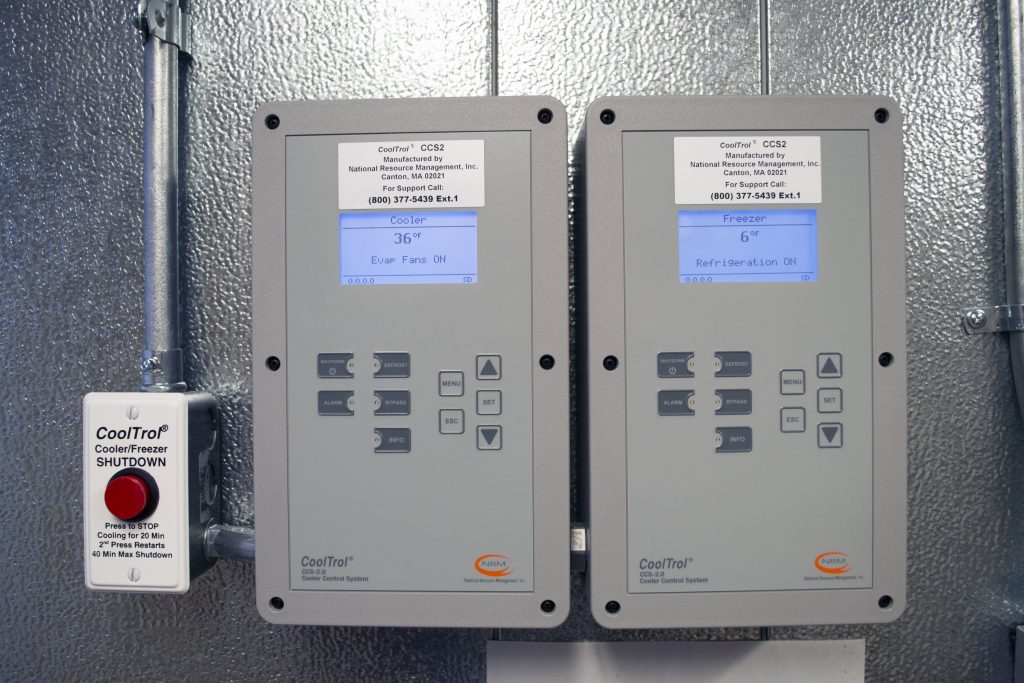
The energy management program, available to Dunkin’ Brands franchise owners, seeks to identify opportunities to improve the energy management capabilities of DD locations. NRM has retrofitted hundreds of coolers with their smart controls and energy efficiency measures in coordination with the program.