
2017 Sees the Finalization of New WICF Regulations for Energy Efficiency; Compliance by 2020
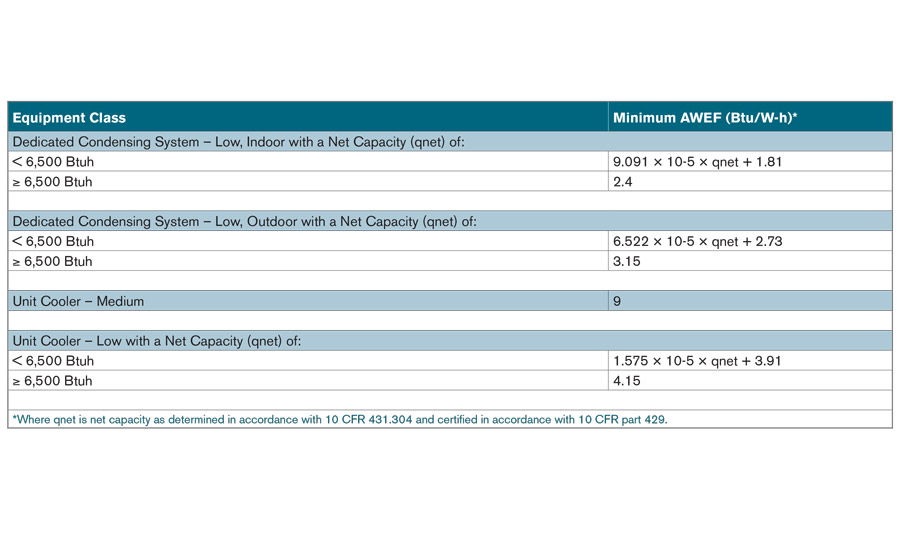
These new standards will have an impact on a wide range of refrigeration systems. They will affect everything from low-temperature dedicated condensing systems, to more common systems like medium- and low-temperature walk-ins.
Walk-in Cooler/Freezer Electric Defrost 101: Efficiency [Part 3]
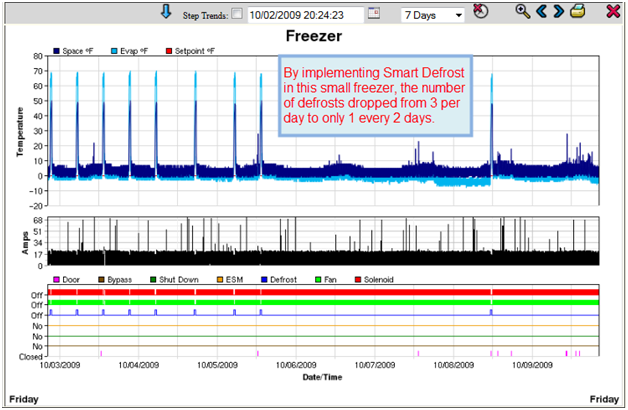
Now that we know what electric defrost is, how it works and how much it costs—it’s time to talk about how to use it more efficiently by implementing several control strategies.
Walk-in Cooler/Freezer Electric Defrost 101: Cost [Part 2]
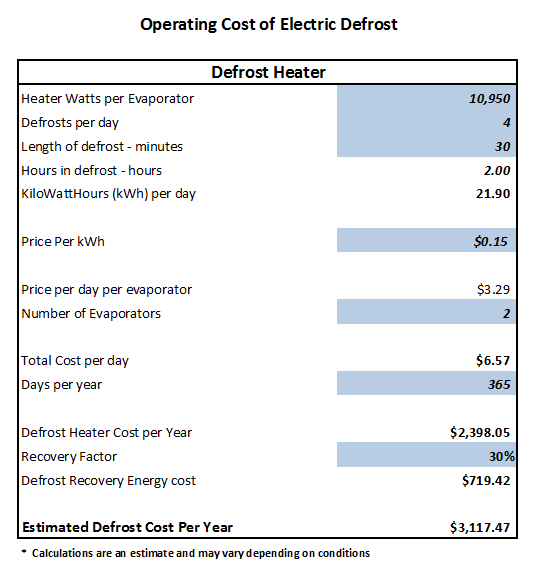
Last week, we wrote about why you need electric defrost for your commercial freezer and how it works. This week, we break down the costs associated with defrost, and the potential costs of ice build up on evaporator coils.
Walk-in Cooler/Freezer Electric Defrost 101 [Part 1]
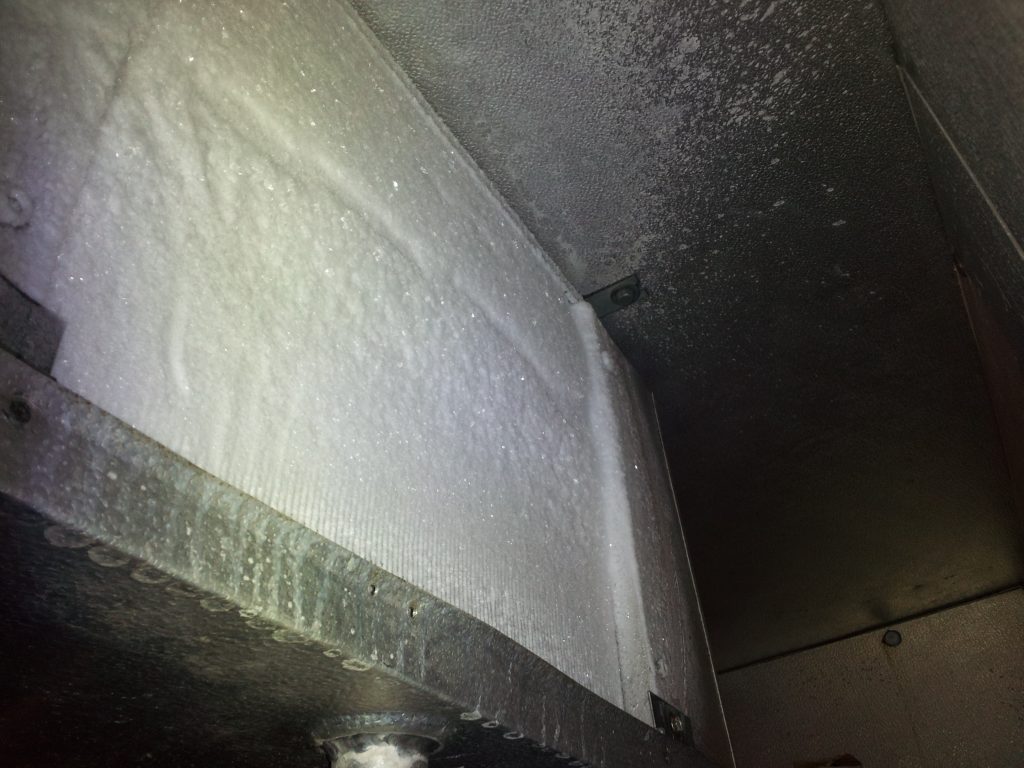
Here’s a basic rundown: there are defrost heater elements located within the coils of your freezer evaporator units. They are controlled by a time clock and turn on during certain times of the day to keep coils free of ice.
Understanding Your Commercial Electric Bill – The Energy Efficiency Charge
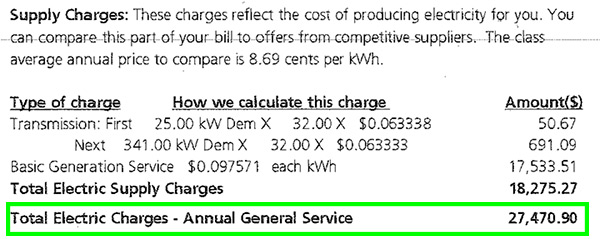
Of particular importance to energy efficiency, though, is the one item you’re being charged for (that you may not even notice) that pays into efficiency programs and can be money put right back into your business: The EE-related charge.
Refrigeration Smart Controls and Peak Energy Demand Reduction
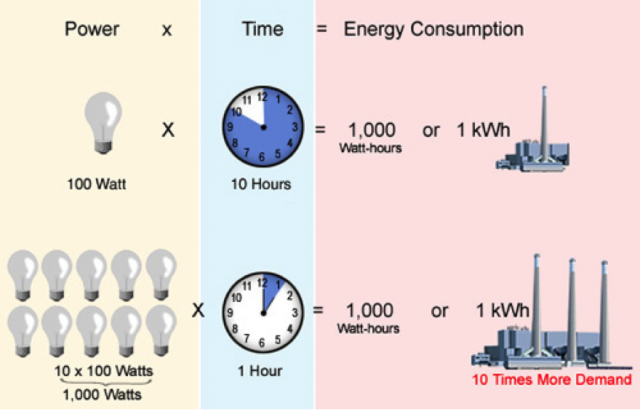
Effective demand-limiting strategies will often increase overall energy usage, but they have the potential to yield a lower electric bill in facilities where demand charges are high.
Reduce Your Overall Refrigeration Energy Consumption or Peak Demand Charges?
Today we dive into an important topic from the first stage of determining an appropriate efficiency solution for your business: will a solution reducing peak energy demand or a solution reducing overall energy consumption be more effective for my business?
On #EEDay2019, Polls Show Mixed Reactions to Energy-Saving Habits

According to a poll conducted by the AP-NORC, people are very much influenced by whether an energy-saving habit can conceivably fit into their lifestyle and schedule, and if it helps their finances.
NRM is Proud to Play a Role in the Dunkin’ Brands, National Grid, and Eversource Energy Management Program
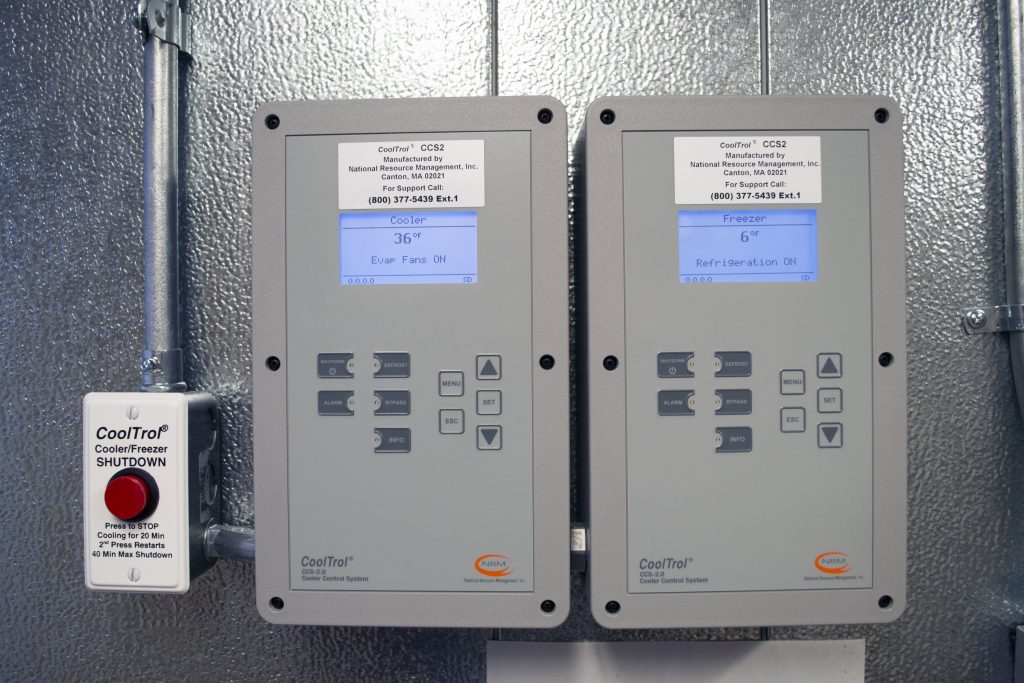
The energy management program, available to Dunkin’ Brands franchise owners, seeks to identify opportunities to improve the energy management capabilities of DD locations. NRM has retrofitted hundreds of coolers with their smart controls and energy efficiency measures in coordination with the program.
Massachusetts Wants 80% Clean Energy by 2050, and New Regulations are Coming in 2018
Beginning in 2018, the baseline percentage will be set at 16%. And in each following year, the percentage will be increased by 2% until the clean energy sources account for 80% in 2050.