
Seamless Integration: How Refrigeration Monitoring Elevates Building Management System Performance

Facilities managers are constantly seeking innovative solutions to optimize performance, reduce energy consumption, and ensure the seamless functioning of critical infrastructure. At the heart of this pursuit lies the Building Management System (BMS), a sophisticated control platform designed to orchestrate various building services.
Mastering FSMA: How Automated Temperature Monitoring Keeps You Compliant

The Food Safety Modernization Act (FSMA) represents a monumental shift in how the United States approaches food safety. Signed into law in 2011, FSMA moved the focus from reacting to foodborne illness outbreaks to proactively preventing them. This paradigm shift places a significant burden on food producers, processors, and distributors to implement robust preventive controls throughout their operations.
IoT and Predictive Maintenance: Revolutionizing Commercial Refrigeration

The benefits of embracing IoT-driven predictive maintenance are multifaceted and profound. Businesses experience significantly reduced downtime, as maintenance can be scheduled proactively, minimizing disruptions to operations. This means fewer emergency calls, less overtime for technicians, and most importantly, uninterrupted business continuity.
Unlock Energy Savings: Variable Frequency Drives for Refrigeration Compressor Optimization

Many traditional refrigeration systems, particularly those employing conventional on/off compressor cycling, are inherently inefficient, leading to significant energy waste, increased mechanical stress on components, and undesirable temperature fluctuations.
When Did They Stop Making Refrigeration Technicians? [OPINION]
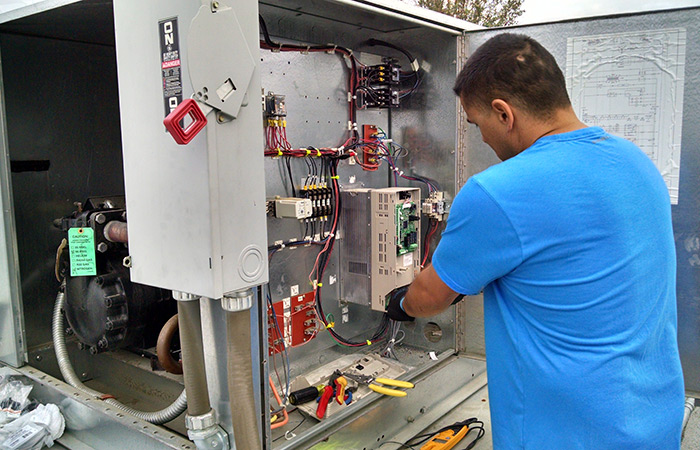
The trades have more workers going out than coming in, especially in HVACR, but if you get really good at the trade and become an expert in the field, you can outearn many who have college or even advanced degrees.
Recently Advanced Farm Bill Could Have Wide-reaching Impact on Produce & Floral Industries

The new food safety body would be made up of around 14,000 employees, with the budget authority of about $2.3 billion each year. This would be the result of combining the FSIS and the FDA.
Oil-Filled Temperature Sensors for HVACR 101
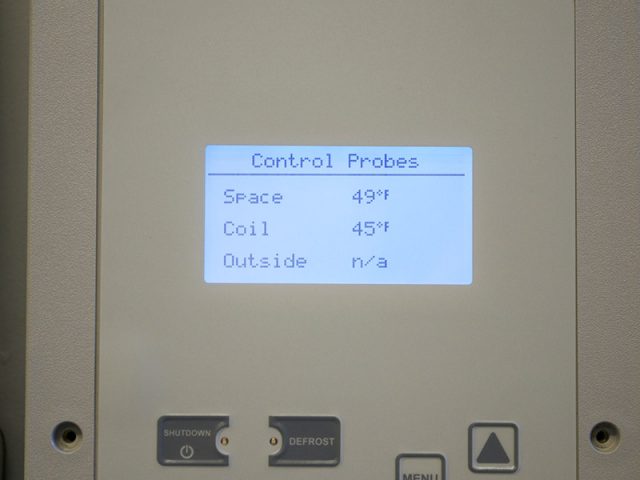
Oil-filled temperature sensors are one of three, general sensor options along with electronic or gas-filled. Oil-filled may be worth considering if, for example, you wanted to track something like the internal temperature of stored product. This blog post introduces oil-filled temperature sensors.
Liquid Subcooling: What it is and When to Apply it
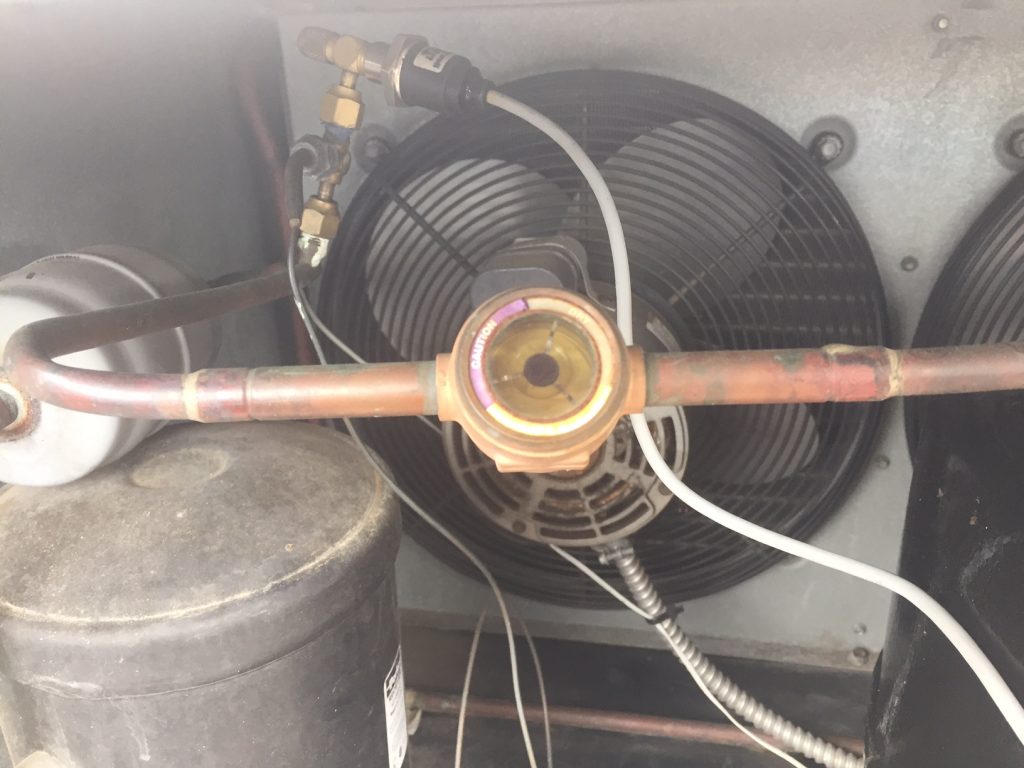
In an exhaustive article for ACHR News, Brian Orr, cofounder of a service company, and founder of HVACRSchool.com, describes it in short: “subcooling tells you that you have a full line of liquid refrigerant in the liquid line.”
In Connected, Smart Technologies, the HVACR Industry Sees a Real Game-Changer
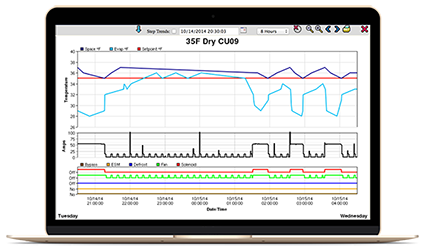
Anette Meyer Holley, general manager of BSRIA, sees service and maintenance as an industry to benefit greatly. “We estimate the U.S. market to reach some $8B in 2018,” Holley said. “Smart maintenance has become a real business opportunity.”
HVACR Contractors: the Key to a Healthy Relationship with Your Customers? Communication

In the relationship between HVACR contractors and their customers who rely on the complex, expensive refrigeration equipment to keep their business alive, neither partner has it easier than the other. Especially when that relationship exists in the restaurant and service industry.