
Seamless Integration: How Refrigeration Monitoring Elevates Building Management System Performance

Facilities managers are constantly seeking innovative solutions to optimize performance, reduce energy consumption, and ensure the seamless functioning of critical infrastructure. At the heart of this pursuit lies the Building Management System (BMS), a sophisticated control platform designed to orchestrate various building services.
Mastering FSMA: How Automated Temperature Monitoring Keeps You Compliant

The Food Safety Modernization Act (FSMA) represents a monumental shift in how the United States approaches food safety. Signed into law in 2011, FSMA moved the focus from reacting to foodborne illness outbreaks to proactively preventing them. This paradigm shift places a significant burden on food producers, processors, and distributors to implement robust preventive controls throughout their operations.
The ROI of Remote Refrigeration Monitoring for Multi-Site Operations

In today’s dynamic commercial landscape, businesses operating across multiple sites face an intricate web of challenges in managing their refrigeration systems. These multifaceted challenges unequivocally highlight the urgent need for a sophisticated, integrated, and proactive approach to refrigeration management.
IoT and Predictive Maintenance: Revolutionizing Commercial Refrigeration

The benefits of embracing IoT-driven predictive maintenance are multifaceted and profound. Businesses experience significantly reduced downtime, as maintenance can be scheduled proactively, minimizing disruptions to operations. This means fewer emergency calls, less overtime for technicians, and most importantly, uninterrupted business continuity.
Recently Advanced Farm Bill Could Have Wide-reaching Impact on Produce & Floral Industries

The new food safety body would be made up of around 14,000 employees, with the budget authority of about $2.3 billion each year. This would be the result of combining the FSIS and the FDA.
FDA Provides an Update on the new Produce Safety Rule
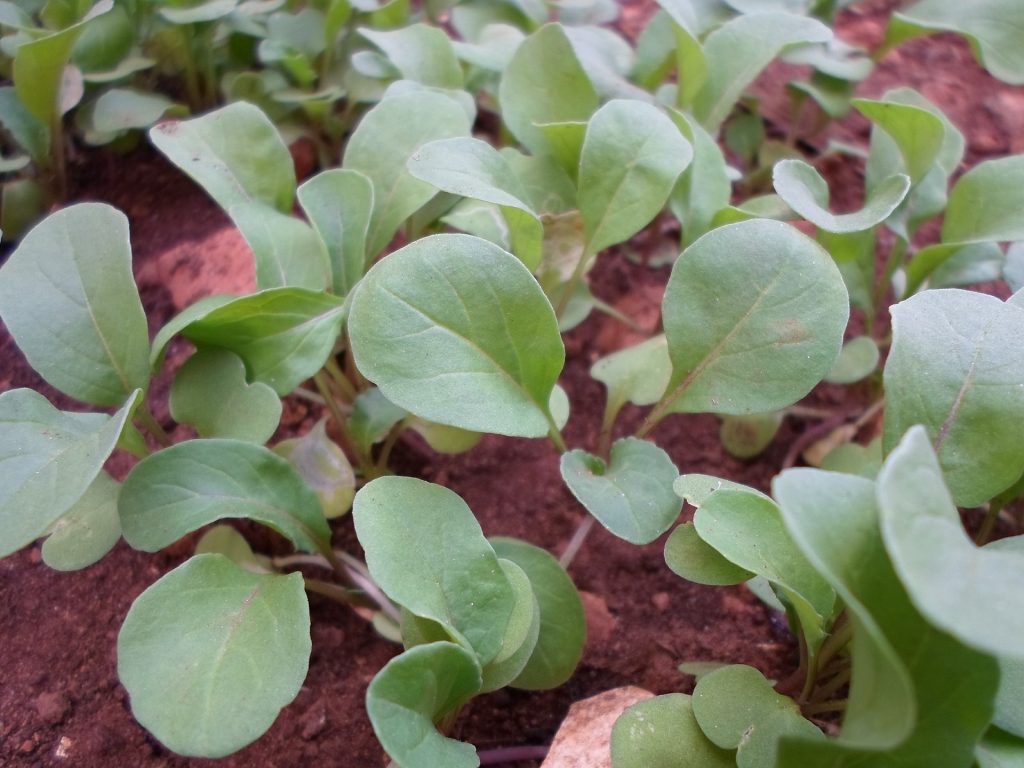
The Produce Safety Rule establishes first science-based food safety standards as it pertains to growing, harvesting, packing, and holding of produce intended for human consumption. Within the Produce Safety Rule, regulations were developed to affect six (6) main areas of commercial farms.
2018 E. Coli Outbreak can be Learning Opportunity for Leafy Greens Industry

The worst E. Coli outbreak in over a decade has affected a widespread swathe of the country—reaching as far as Alaska—but seems to have originated from just one location: Yuma County in southwest Arizona.
As Companies Continue to Alter Their Processes to Adhere to FSMA, Some Remain Skeptics
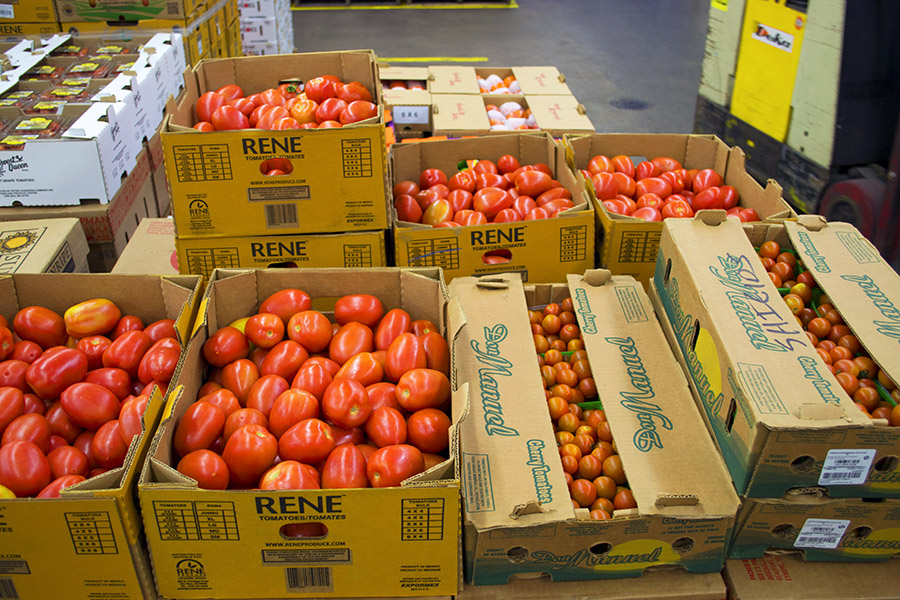
“I would assess this more as a band-aid than a cure-all.” That’s the opinion of John Bovay, a faculty member of UConn and a researcher who dissected the FSMA in a white paper for the journal Applied Economic Perspectives and Policy.
5 Quick Food Safety Tips for Commercial Kitchens

Refrigeration is essential for food safety in commercial kitchens where large quantities of perishable food is stored, such as in cafeterias and restaurants. The FDA and USDA set strict guidelines and a few simple steps can help keep kitchens free of waste.
4 Reasons to Think About Your HVACR System More Seriously
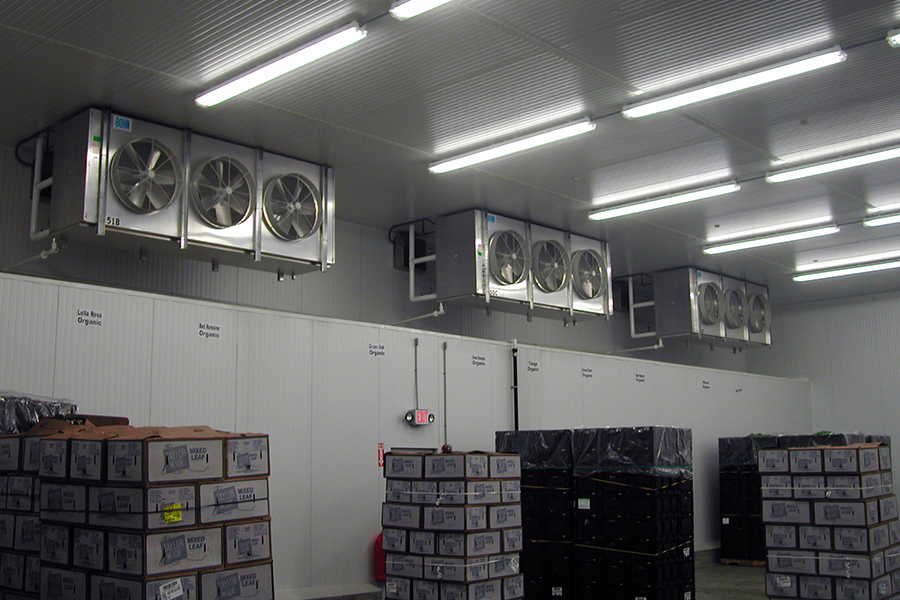
There are several risks when not being proactive with your equipment and its performance. You could be wasting money on unnecessary electrical usage. More importantly, you could be risking the safety and quality of the food you’re keeping cold for your customers.