
5 Easy Ways for New England Businesses to Combat Winter Electric Rate Hikes

People say there are only two guarantees in life: death and taxes. But if you live in New England, lately it seems expecting electric rate hikes in the winter is the third thing to add to the list.
With New Regulations on the Horizon, the Cold Storage Industry Will Need to Adapt
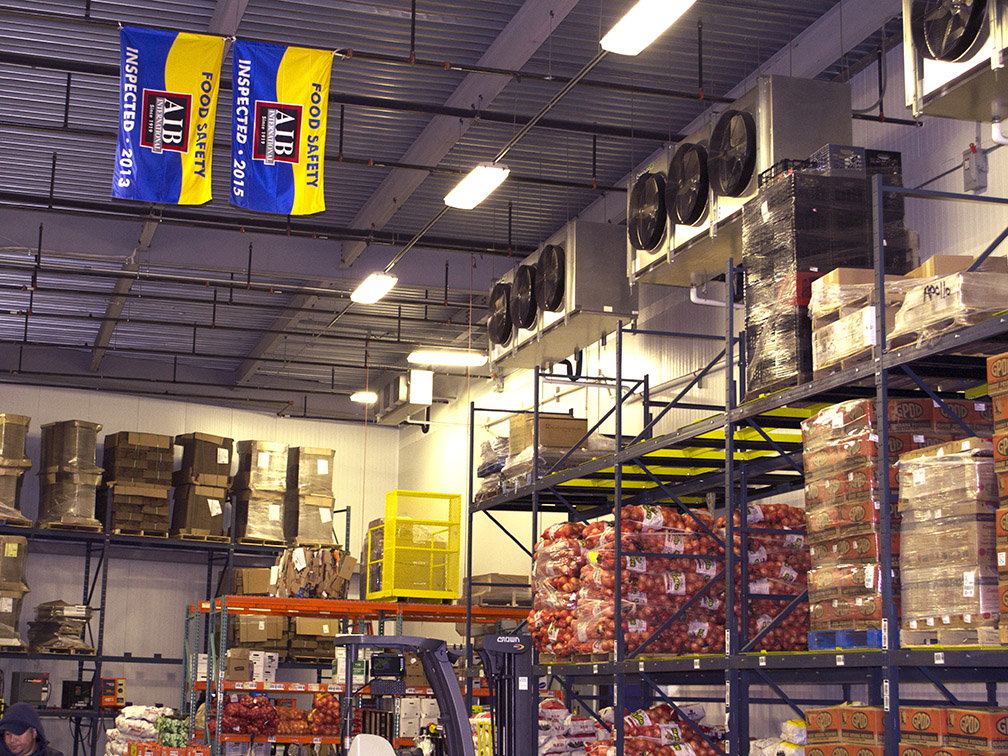
As the EPA and other regulatory bodies discuss hydrofluorocarbons and other refrigerants with “global warming potential,” it will be up to those in the cold storage industry to future-proof their operations and focus on data to maintain profitability.
2017 Sees the Finalization of New WICF Regulations for Energy Efficiency; Compliance by 2020
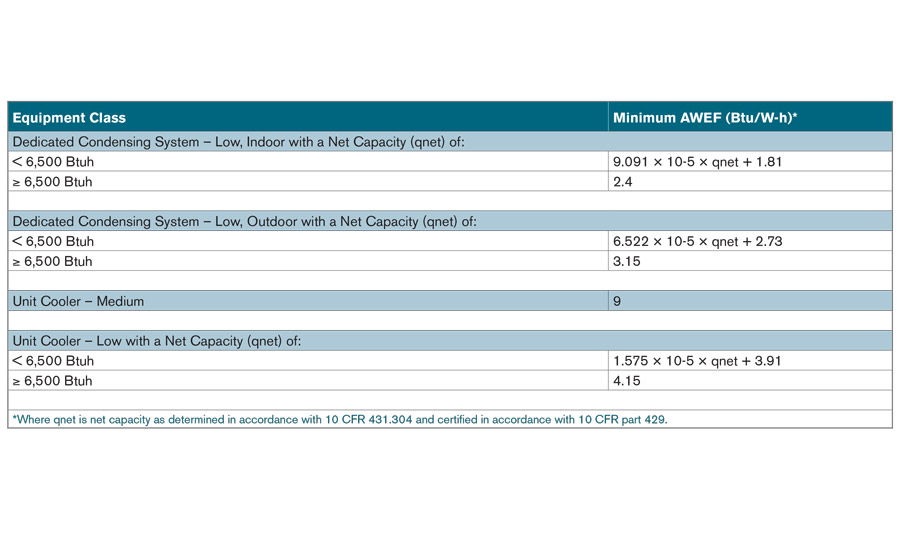
These new standards will have an impact on a wide range of refrigeration systems. They will affect everything from low-temperature dedicated condensing systems, to more common systems like medium- and low-temperature walk-ins.
Where’s the Most Expensive Ice in the World? On Your Evaporator Coils
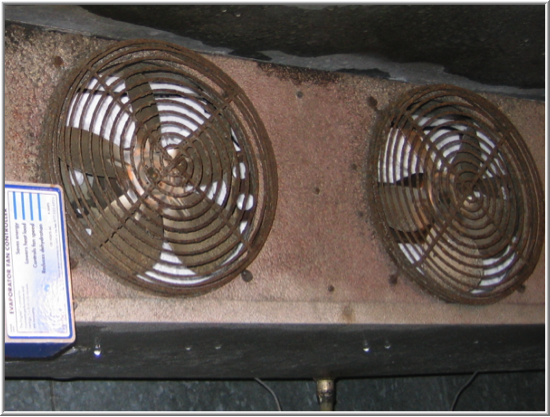
When evaporator coils ice up, efficiency drops dramatically, temperature set points are hard to maintain, it could damage equipment, and it puts perishable products at risk. Run time increases and operating costs can potentially go up by over 100%.
The Future of HVACR Energy Efficiency: Monitoring-Based Commissioning
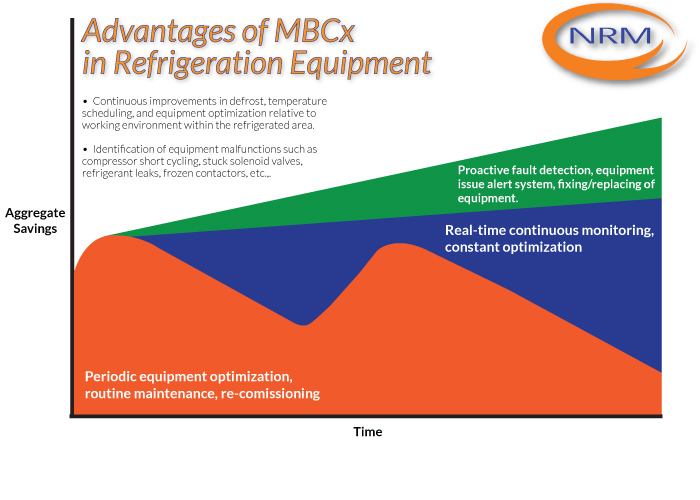
Monitoring-Based Commissioning is a combination of controls, sensors, software and sometimes ‘human review,’ that constantly monitors equipment by way of algorithms and real-time data to detect faults and optimize performance.
Refrigeration Problem of the Week: Compressor Failed to Start
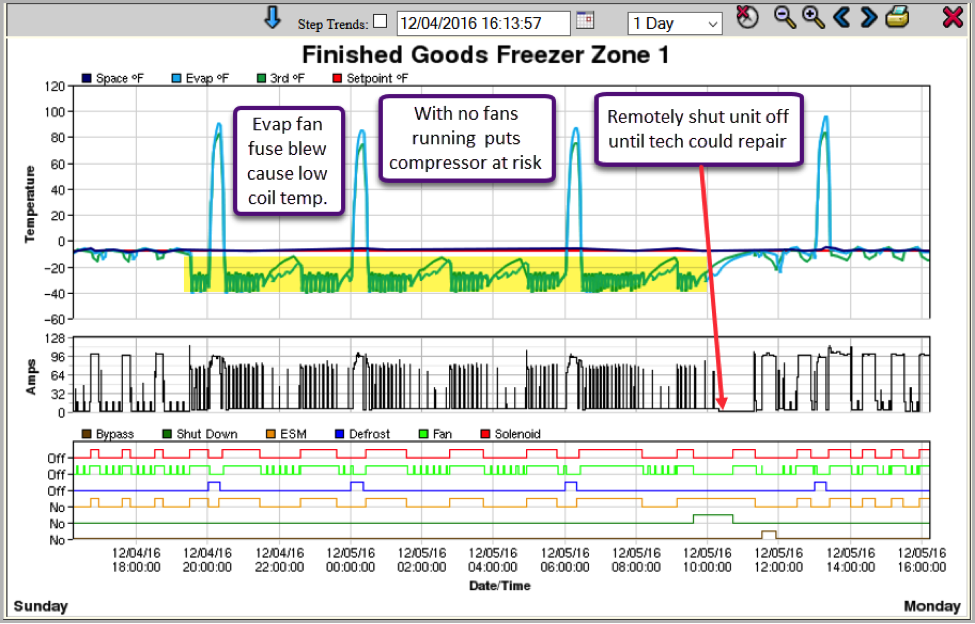
Large commercial and industrial refrigeration systems are, despite their mammoth size, routinely affected by small, unseen issues. Small, of course, referring to the physical component experiencing the issue (fuses, switches, wiring) and not to their potential negative impact.
Refrigeration Smart Controls and Peak Energy Demand Reduction
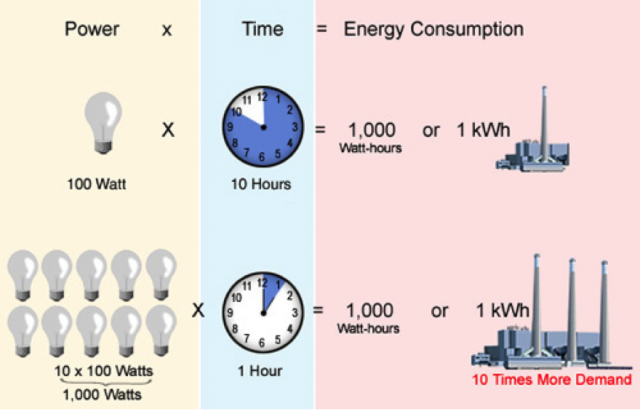
Effective demand-limiting strategies will often increase overall energy usage, but they have the potential to yield a lower electric bill in facilities where demand charges are high.
Reduce Your Overall Refrigeration Energy Consumption or Peak Demand Charges?
Today we dive into an important topic from the first stage of determining an appropriate efficiency solution for your business: will a solution reducing peak energy demand or a solution reducing overall energy consumption be more effective for my business?
Recently Advanced Farm Bill Could Have Wide-reaching Impact on Produce & Floral Industries

The new food safety body would be made up of around 14,000 employees, with the budget authority of about $2.3 billion each year. This would be the result of combining the FSIS and the FDA.
Oil-Filled Temperature Sensors for HVACR 101
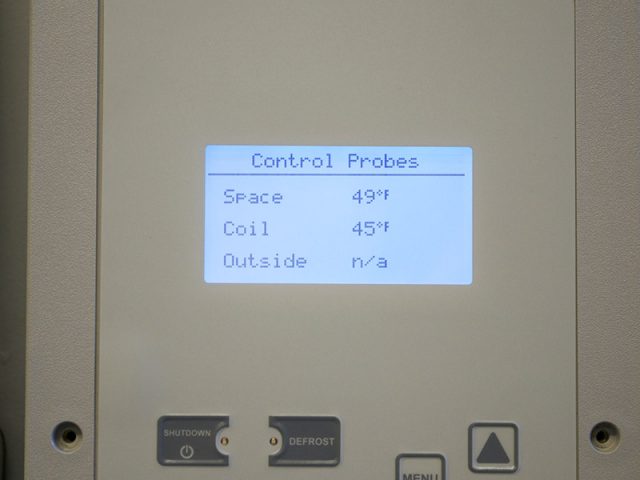
Oil-filled temperature sensors are one of three, general sensor options along with electronic or gas-filled. Oil-filled may be worth considering if, for example, you wanted to track something like the internal temperature of stored product. This blog post introduces oil-filled temperature sensors.