
Compressor Short Cycling: A Hard-to-Find Energy Waster
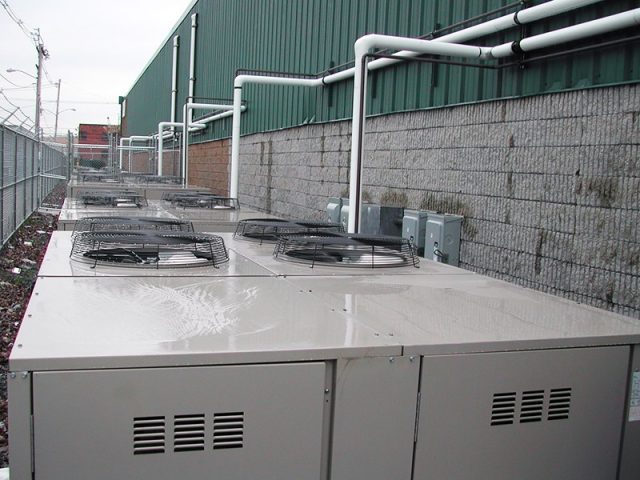
Short cycling occurs in your compressor when a mechanical failure is causing the run times to terminate prematurely and since set point has not been achieved, it restarts shortly afterward, thus requiring more compressor ‘ON’ time to compensate.
Cold Storage Facilities Turn to Technology to Boost Efficiency
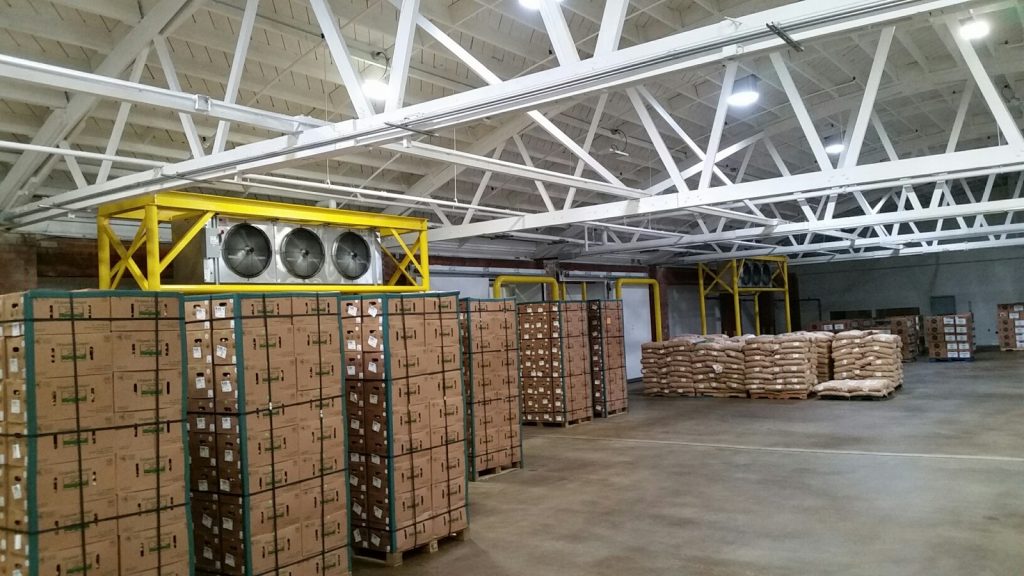
Everything from remote access to temperature settings and defrost cycles, to robotic forklifts, to high-efficiency LED lighting systems are helping these facilities better manage costs and their important systems, according to a new article in The Packer.
As Companies Continue to Alter Their Processes to Adhere to FSMA, Some Remain Skeptics

“I would assess this more as a band-aid than a cure-all.” That’s the opinion of John Bovay, a faculty member of UConn and a researcher who dissected the FSMA in a white paper for the journal Applied Economic Perspectives and Policy.
A Quick Crash Course in Suction P-Traps for HVACR
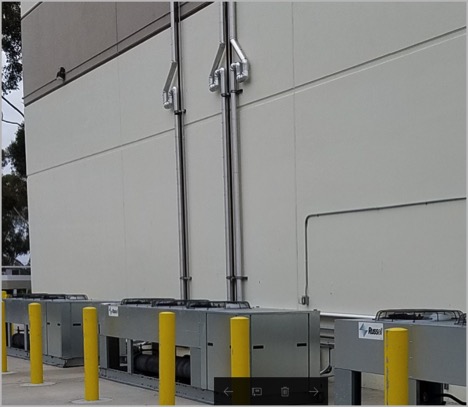
A suction p-trap is a discharge line trap that serves an important function both when the compressor is on and in the act of cooling, and when the compressor is off. It’s a critical piece for the equipment’s proper and efficient operation.
6 Ways to Ensure an Evaporator Fan Energy Efficiency Retrofit is Done Right
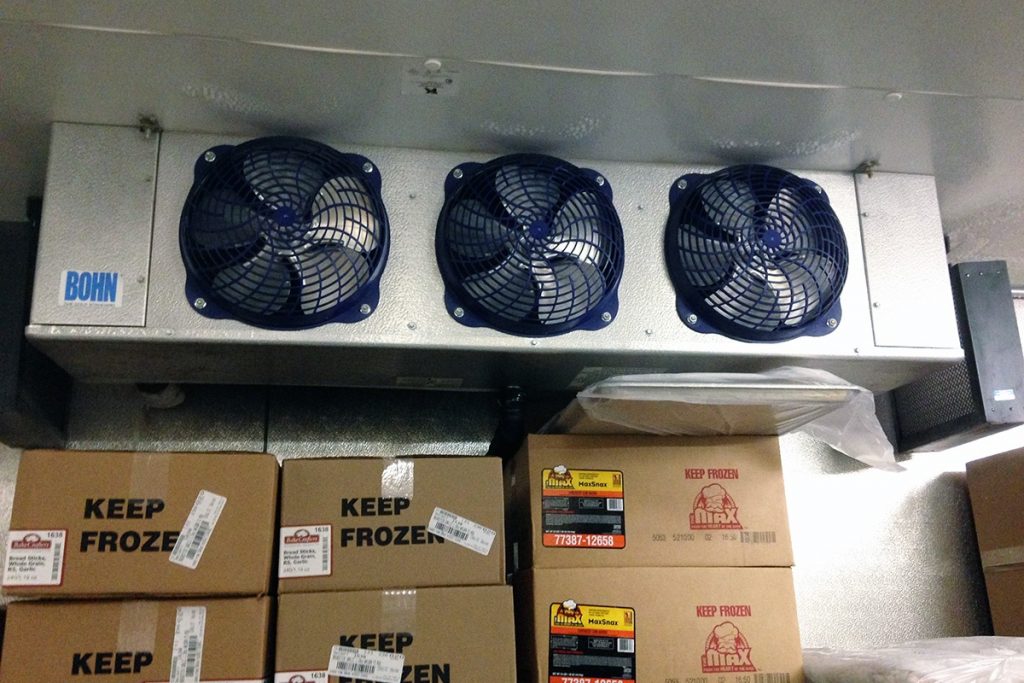
The upside to a well-implemented controls retrofit can be huge. The most advanced bring a whole suite of features and capabilities, including adaptive defrost control, web connectivity, intelligent alarms, sophisticated diagnostics and data analytics, and powerful controls for your entire refrigeration system.
5 Ways IoT can Enhance Your Commercial and Industrial HVACR’s Efficiency
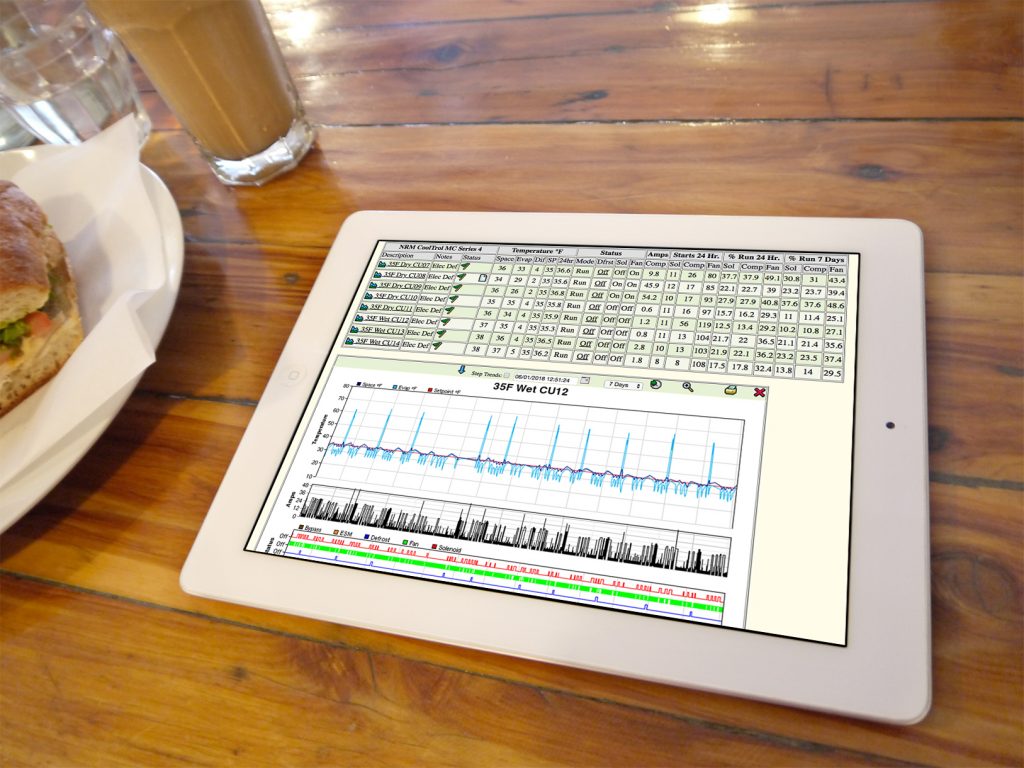
Commercial and industrial refrigeration systems also stand to gain from improved visibility and connectedness. Through a web-based monitoring platform, you can be connected to your cold rooms, temperatures, compressors, and fans 24/7.
4 Reasons to Think About Your HVACR System More Seriously
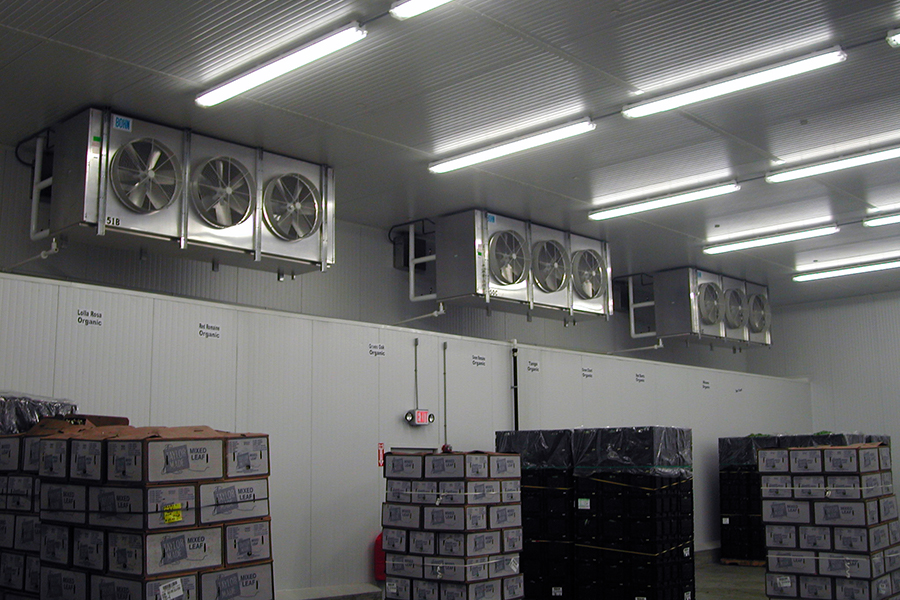
There are several risks when not being proactive with your equipment and its performance. You could be wasting money on unnecessary electrical usage. More importantly, you could be risking the safety and quality of the food you’re keeping cold for your customers.
4 Do-It-Yourself Ways to Reduce Your Commercial Lighting Costs
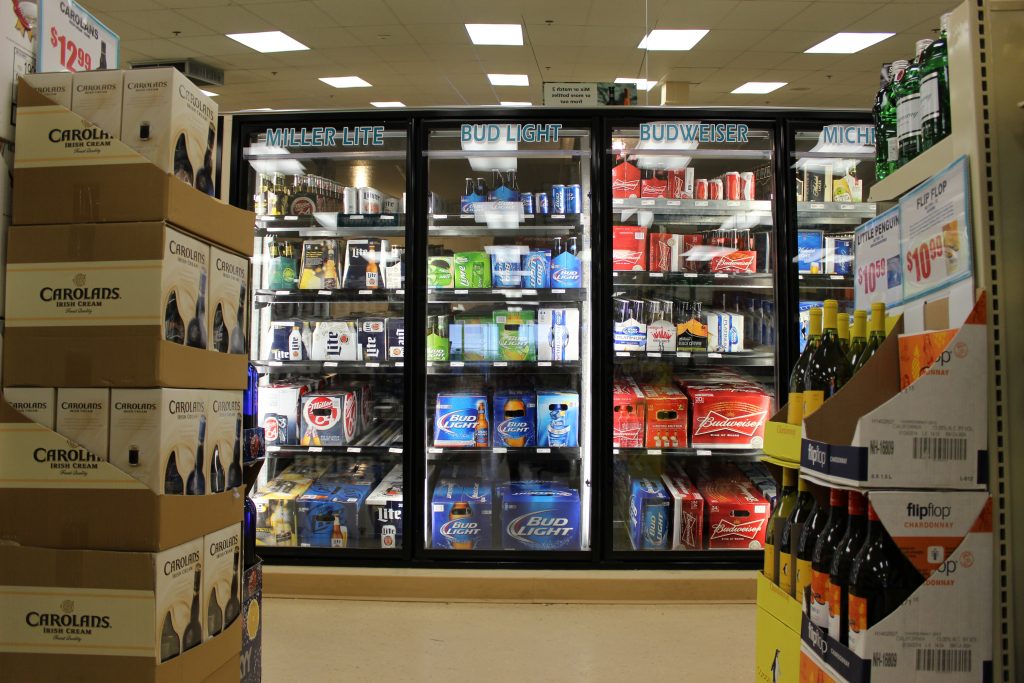
We’ve previously examined a handful of DIY ways to reduce your commercial HVAC’s energy costs and today, we’ll do the same for lighting. If your commercial or industrial space doesn’t have refrigeration, then lighting will be your biggest energy-consuming mechanism.
4 “Check Engine” Warnings for Your HVACR System
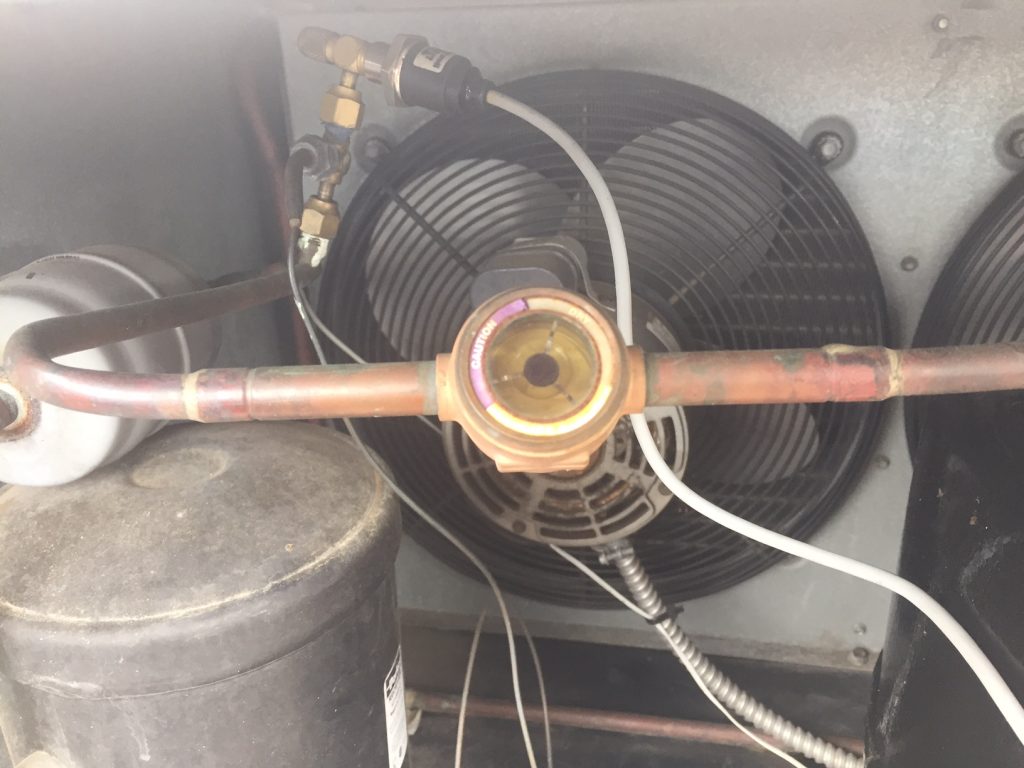
Refrigeration systems have a great deal of both mechanical and electrical components that need periodic maintenance to keep it running at its most optimal. The easiest comparison is to imagine your business’ refrigeration system as your car.
3 Things to Consider in New Construction of Cold Storage Facilities
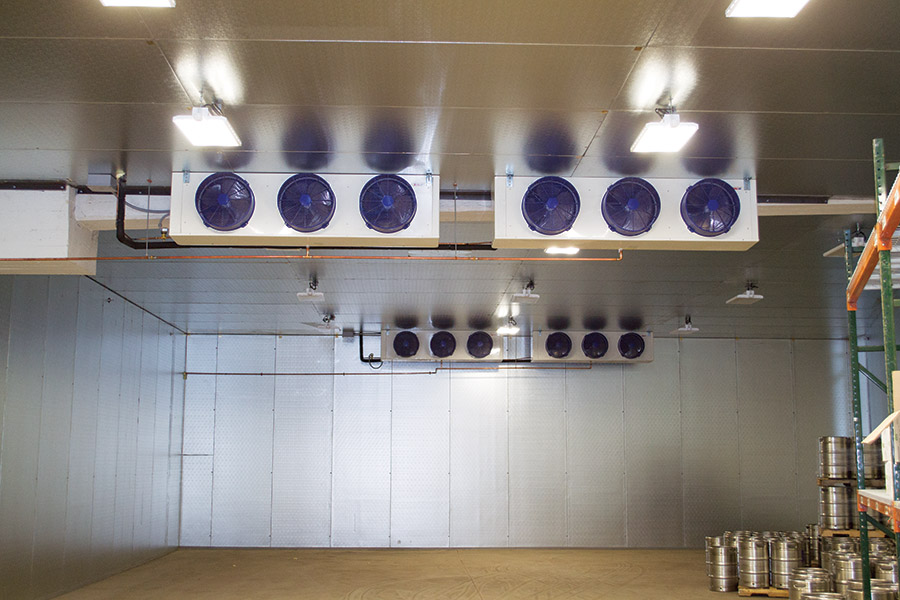
There is a dizzying amount of choices for the construction of a new cold storage facility. But businesses shouldn’t necessarily pick the first, or the cheapest, option they have. Below are three things that should be considered before anything is built.