
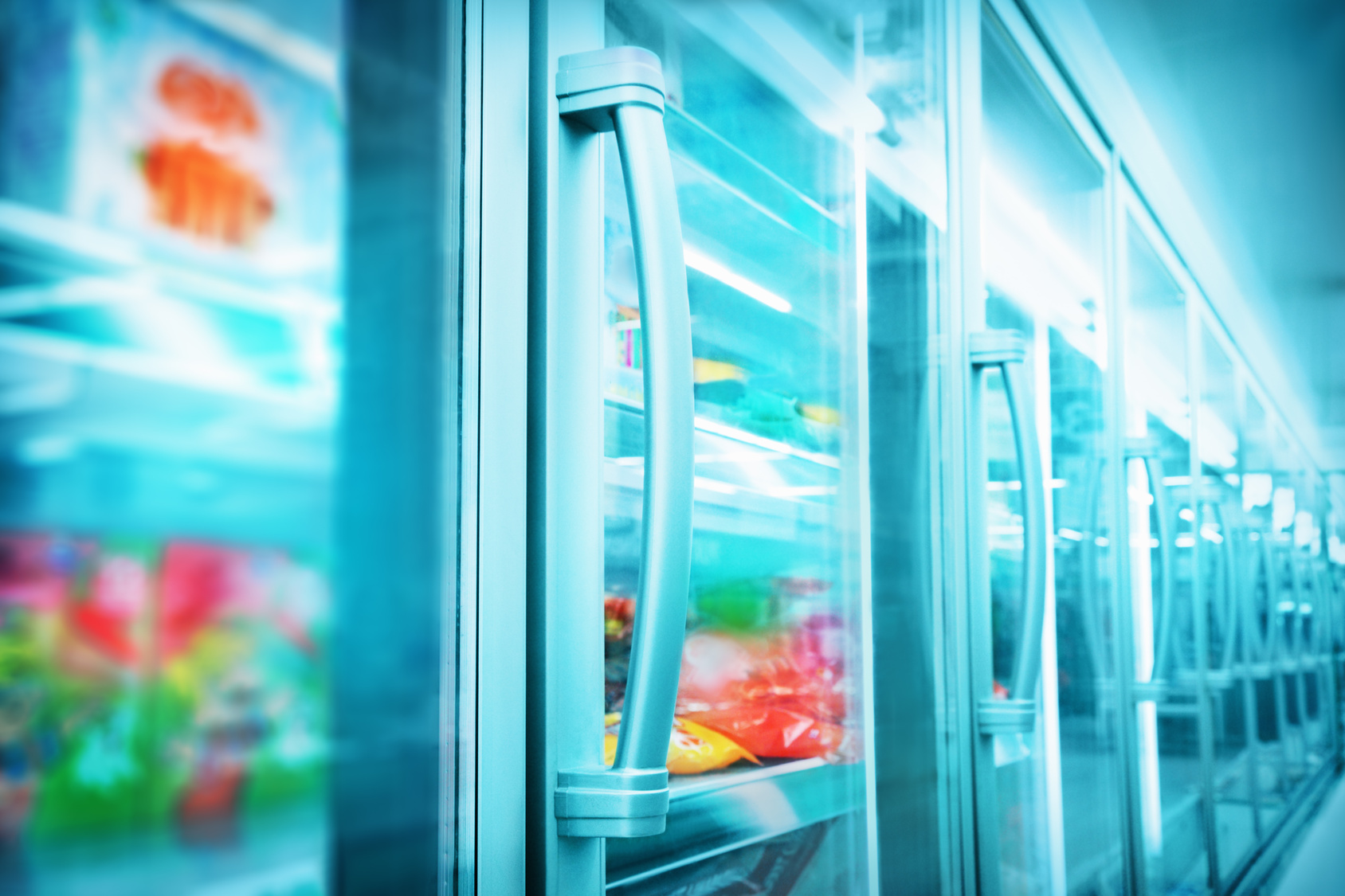
Lighting enhances consumer experience and highlights products in the freezer aisles of the supermarket, but it also increases electricity bills. Most reach-in coolers have old, worn out and outdated fluorescent lights that use a lot of energy. They even tend to look dull and outdated.
What if we could tell you that a grocery store lighting upgrade to LED lights can do exactly that and more?
Here are four ways that an upgrade will not only save you money, but also increase revenue.
The first and most obvious is that with an 85% wattage reduction you will absolutely spend less on utilities. That means less money spent on energy and more to utilize somewhere else.
LEDs increase lumens (light) by 35%, resulting in a brighter display that is more appealing to grocery shoppers. If product looks more appealing, they are more willing to make a purchase.
Longer service life. They may have a higher initial cost, but you’ll replace them much less often. LED lights are not as sensitive as fluorescent bulbs and do not break easily. They also last about three times longer, so you won’t have to replace them as often (you won’t have to pay anyone to replace them either).
A face lift without buying new coolers. LED lights make the freezer aisle look sharp and like new. Customers notice when grocery stores have been updated and appreciate a new shopping experience.


